Colorado drivers deal with sun conditions that most of the country does not understand. Denver sits a full mile above sea level, which means 25 percent more UV radiation than a vehicle in Miami or Los Angeles. Climb up into Montrose, Telluride, or Ouray and the UV intensity gets even more aggressive. Add in over 300 sunny days per year, low atmospheric moisture that amplifies glare, and reflective snow across the Western Slope for months at a time, and you have one of the harshest driving environments for a vehicle’s interior in the country.
This is exactly why choosing the right window tinting in Colorado percentage matters so much. Pick a VLT level that is too light and your cabin still bakes every afternoon. Go too dark and you run into legal trouble, compromised night visibility on mountain roads, or both. This guide walks through every decision that goes into choosing the best window tint percentage for your vehicle, your driving habits, and Colorado’s specific climate. By the end, you will know exactly what VLT to ask for when you bring your vehicle into Premium Auto Solutions or any qualified tint shop on the Western Slope.
Why Window Tint Percentage Matters So Much in Colorado
Window tint is not just about looks or privacy. The VLT percentage you choose directly determines how much heat your cabin rejects, how much UV damage your interior absorbs, how well you can see through the glass at night, and whether your tint meets Colorado law. Getting all four of those right is the difference between a tint job you love for years and one you regret within months.
What High-Altitude Sun Actually Does to Your Vehicle
Sunlight in Colorado is not the same sunlight other states deal with. At 5,280 feet elevation in Denver and higher across the mountain regions, the atmosphere is thinner. Thinner atmosphere means less UV filtering before the rays reach your vehicle. That translates to faster dashboard cracking, quicker leather dry-out and splitting, accelerated fading of upholstery, and real skin exposure for drivers and passengers during long commutes.
Snow reflection adds another layer during winter months. Fresh snow reflects roughly 80 percent of UV light back into your cabin from below, which is why skiers and mountain drivers often end up with sunburns on the underside of their chin and nose even on cold days. A well-chosen window tint blocks both the direct UV from above and the reflected UV from snow, ice, and pavement below. Shops handling best window tinting in Montrose, CO deal with exactly this combination of conditions every single week, which is why asking about Western Slope-specific recommendations from a shop like Premium Auto Solutions genuinely matters.
Understanding VLT: The Single Most Important Number in Window Tinting
VLT stands for Visible Light Transmission. It is the percentage of visible light that passes through the tinted film into the vehicle. A lower VLT percentage means a darker tint. A 5 percent VLT allows only 5 percent of light through the glass. A 70 percent VLT allows 70 percent through and is almost invisible from the outside.
Every piece of tint film has a VLT rating. That rating is the single most important piece of information when choosing tint because it determines everything about how the film performs in real driving conditions and whether the installation is legal in your state.
How VLT Percentages Actually Look on a Vehicle
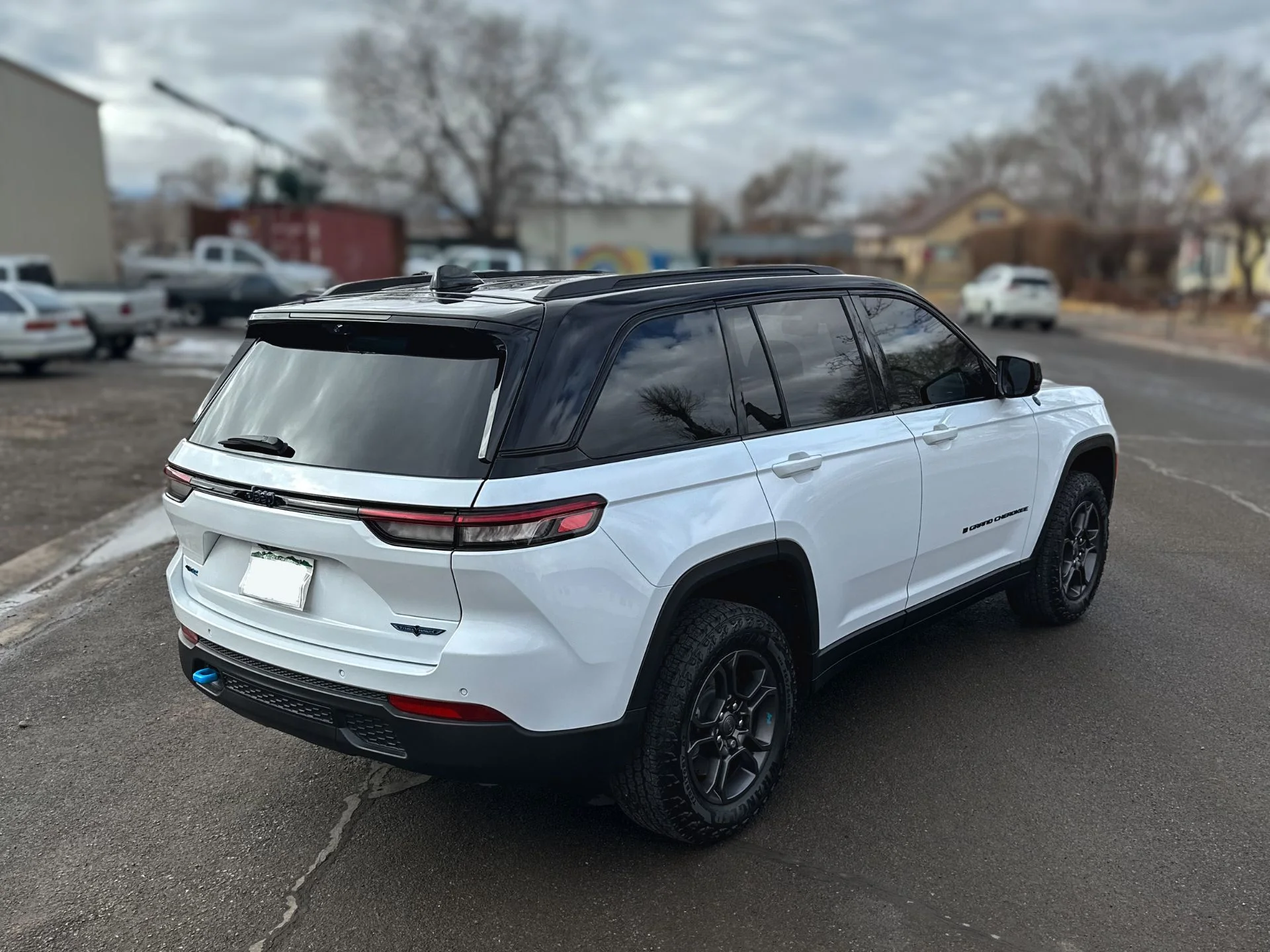
Here is a quick frame of reference to understand what each VLT percentage looks like on the road. 70 percent VLT is nearly clear and provides primarily UV and heat protection without visible darkening. 50 percent VLT has a very light shade, still easy to see through from outside. 35 percent VLT is the most popular choice for balance between privacy, heat rejection, and night visibility. 20 percent VLT is noticeably dark and gives real privacy while still allowing reasonable visibility. 5 percent VLT, known as limo tint, is nearly impossible to see through from outside and is usually only legal on rear windows of specific vehicle types.
Knowing these reference points helps you have a productive conversation with your installer about what you actually want rather than guessing based on looks alone.
Colorado Window Tint Laws in 2026
Colorado has specific and enforced tint regulations that every driver should understand before booking an installation. The law differs between passenger vehicles (regular sedans and coupes) and multipurpose vehicles (SUVs, trucks, and vans), which is where a lot of drivers get confused.
VLT Requirements for Passenger Vehicles
For passenger vehicles in Colorado, the front side windows must allow more than 27 percent of light through. The rear side windows and the rear windshield can be tinted to any VLT percentage, as long as the vehicle is equipped with dual side mirrors. That means you can legally go as dark as you want on the rear windows of a sedan, but your front side windows have a legal floor that cannot be crossed.
VLT Requirements for SUVs, Trucks, and Multipurpose Vehicles
Multipurpose vehicles follow the same rule set in Colorado. Front side windows must allow more than 27 percent VLT, and rear windows can be any VLT with dual side mirrors present. Some states allow darker front windows on SUVs than on sedans, but Colorado does not distinguish. Whether you drive a compact sedan or a full-size SUV, your front side windows cannot go below 27 percent VLT.
Windshield Tinting Rules in Colorado
Colorado allows non-reflective tint on the top four inches of the windshield only. This visor strip reduces glare from direct sunlight without obstructing the primary driving field of vision. Tinting the rest of the windshield is not permitted on standard vehicles and will result in compliance issues. Always confirm windshield tinting options with your installer before including the windshield in your project scope.
Penalties for Illegal Window Tint
Being pulled over for illegal tint in Colorado typically results in a fine and a requirement to remove the non-compliant film. Repeat violations can escalate to higher fines and failed vehicle inspections. Beyond the financial penalty, paying for professional removal and compliant reinstallation costs more than choosing the right VLT from the start. Any qualified provider of window tinting in Colorado, including Premium Auto Solutions, will always guide drivers toward a legal, high-performing choice for their specific vehicle.
Best Window Tint Percentages for Colorado Drivers by Window
Here is where the rubber meets the road. Different windows call for different VLT levels, and the best window tint percentage for Colorado drivers depends on which piece of glass you are tinting.
Front Side Windows
For front side windows, 35 percent VLT is the single best choice for most Colorado drivers. It sits above the 27 percent legal floor with enough margin for measurement variation, blocks a meaningful amount of heat and UV, and still allows comfortable visibility in low-light conditions. Ceramic tint at 35 percent delivers heat rejection that rivals much darker traditional films while keeping you fully within the law.
Some drivers push down to 30 percent or even right to the 28 percent line. Those choices are legal but riskier because small measurement variances in enforcement can put you on the wrong side of the law. 35 percent gives you breathing room.
Rear Side Windows and Back Glass
Rear windows are where you have genuine freedom to choose based on preference. 20 percent VLT is the most popular rear window choice in Colorado because it provides meaningful privacy, strong heat rejection, and decent night visibility. 15 percent and 5 percent are available for drivers who want maximum privacy and are comfortable with reduced rearward visibility at night. Families with young children in rear seats often go 20 percent to balance privacy with the ability to see passengers clearly during the day.
Windshield Visor Strip
For the top four inches of the windshield, most Colorado drivers choose a 35 percent or 50 percent VLT ceramic film that reduces glare without making the top of the windshield noticeably dark. Ceramic film at these lighter shades still blocks significant UV and infrared heat, which means real glare reduction during long drives into Western Slope sunsets without any visibility compromise at night.
Choosing the Right VLT for Your Driving Habits
The best VLT percentage is not the same for every Colorado driver. Matching your tint choice to how and where you actually drive makes a meaningful difference in long-term satisfaction.
Daily Commuters
For drivers commuting within Montrose, Grand Junction, Delta, or the Front Range, the sweet spot is typically 35 percent front, 20 percent rear, with ceramic film. That combination handles daily sun exposure, provides enough privacy for normal driving, and maintains visibility on early morning or late evening commutes when light is limited. Heat rejection on ceramic film at these VLT levels dramatically reduces cabin temperature after parking in a lot all day.
Mountain and Backcountry Drivers
Drivers who regularly head into Telluride, Ouray, Silverton, or deep into the San Juan Mountains face unique conditions. High-altitude sun is more intense, but mountain roads are also narrow, winding, and often shadowed by canyon walls that create rapid light transitions. These drivers benefit from slightly lighter tint on the front sides (35 to 40 percent) to maintain visibility in fast-changing light conditions. Rear windows can still go darker for privacy and interior protection.
Luxury and Performance Vehicle Owners
Owners of luxury sedans, sports cars, and high-end SUVs often invest in premium ceramic tint across all windows because the heat rejection and UV blocking protect expensive leather interiors and electronic systems. 35 percent front and 20 percent rear ceramic remains the most common choice. For drivers who want even more heat rejection on the front sides, Premium Auto Solutions offers ceramic films that deliver high infrared rejection even at legal 35 percent VLT, which is one of the real advantages of premium ceramic over basic dyed tint.
Why Film Quality Matters as Much as VLT Percentage
The VLT number alone does not tell you how well a tint will perform. Two films at the same 35 percent VLT can deliver wildly different heat rejection, UV blocking, and durability depending on the film technology behind them.
Dyed vs Carbon vs Ceramic Films for Colorado Conditions
Dyed films are the cheapest option. They work by absorbing solar energy using colored dye layers. The problem is that those dyes fade over time under intense UV exposure, which is exactly what Colorado delivers. Dyed films often turn purple within two to three years and lose most of their already-limited heat rejection. For Colorado drivers, dyed film is almost always the wrong long-term choice.
Carbon films use carbon particles instead of dye to block infrared light. They do not fade, they do not purple, and they offer meaningfully better heat rejection than dyed films. Carbon is a solid mid-range choice that performs well in Colorado’s conditions for five to seven years with proper care.
Ceramic films represent the top tier of window tint technology. They use non-conductive ceramic particles that block infrared and UV rays with exceptional efficiency. Ceramic films do not interfere with GPS, cell signals, or modern camera-based safety systems. They deliver the highest heat rejection available, block up to 99 percent of UV rays, and last ten years or more with proper maintenance. For Colorado’s combination of high-altitude sun, snow reflection, and 300-plus sunny days per year, ceramic is genuinely the right investment.
Common Mistakes Colorado Drivers Make With Window Tint
Plenty of Colorado drivers walk out of budget tint shops with results they regret within a year. Avoiding the common mistakes protects your investment and your satisfaction.
Choosing based on price alone. A cheap installation with cheap film is almost never a bargain in Colorado. The intense UV environment destroys budget films faster than almost anywhere else in the country. Paying twice for the same window over three years costs more than paying once for ceramic film that lasts a decade.
Going darker than the law allows. Colorado’s 27 percent minimum on front sides is enforced. Choosing 20 percent or 15 percent on the front side windows to match the rear looks good initially but creates real legal risk and fails vehicle inspections.
Ignoring the quality of the installer. Film technology matters, but installation technique matters just as much. Dust contamination, uneven pressure during the squeegee pass, and rushed prep work all create failures regardless of how good the film is. Shops offering professional window tinting in Colorado, including Premium Auto Solutions, invest in controlled installation environments precisely because even the best film performs poorly when installed in a dusty or rushed setting.
Skipping the conversation about driving habits. A good installer will ask about where you drive, how often, what times of day, and what matters most to you. A shop that just sells you a flat 20 percent on everything without that conversation is treating you like a generic customer rather than an individual driver.
Conclusion
The best window tint percentage for Colorado drivers is not one number. It is a combination of smart choices across different windows, informed by film technology, driving habits, and Colorado’s specific climate. For most drivers, the sweet spot is 35 percent VLT on the front side windows, 20 percent VLT on the rear side windows and back glass, and a light visor strip across the top four inches of the windshield. All of it in ceramic film from a reputable manufacturer, installed by a qualified shop that knows what Western Slope and Front Range conditions actually require.
Matching your tint choice to how you actually drive, respecting Colorado’s 27 percent front-window law, and investing in ceramic film that holds up under high-altitude sun are the three decisions that separate a great tint job from a disappointing one. Colorado drivers who take the time to think through each of those choices end up with a tint installation that performs powerfully for a decade and keeps looking right through every summer, snow season, and everything in between.
Frequently Asked Questions
What is the minimum legal window tint percentage for front windows in Colorado?
Colorado law requires front side windows to allow more than 27 percent of visible light through. The same rule applies to passenger cars and multipurpose vehicles like SUVs and trucks. Rear side windows and the back glass have no VLT limit as long as the vehicle has dual side mirrors.
Can I tint my windshield in Colorado?
Colorado permits non-reflective tint on the top four inches of the windshield only. Full windshield tinting is not legal for standard passenger vehicles. A light ceramic visor strip across the top is the standard choice for reducing glare without violating the law.
How much does ceramic window tint typically cost for a full vehicle in Colorado?
Prices vary based on vehicle size, film brand, and shop quality. A full ceramic tint installation on a standard sedan generally runs in the mid to upper hundreds of dollars. Full-size SUVs and trucks run higher due to more glass and installation time. Ask any shop for a written quote that specifies the exact film line and warranty terms before booking.
Will darker tint on my rear windows affect my ability to back up safely at night?
Very dark tint, particularly at 5 percent or 15 percent VLT, does reduce rearward visibility in low-light conditions. Most modern vehicles have rearview cameras and parking sensors that compensate for this, but drivers who rely heavily on physical mirrors at night may prefer 20 percent or lighter on the rear glass. Take your specific driving habits into account before choosing very dark rear tint.
Does ceramic window tint really perform better than dyed film in Colorado’s high-altitude sun?
Yes, and the difference is significant. Ceramic film uses non-metallic particle technology that rejects infrared heat and UV rays far more efficiently than dyed alternatives. In Colorado’s intense sun and high-UV environment, ceramic film keeps cabins noticeably cooler, protects interiors more effectively, and lasts multiple times longer before showing signs of failure. The upfront cost difference is offset within the first few years by superior performance and much longer lifespan.
Our Other Blog Posts Related Window Tinting
- How Window Tinting Blocks Harmful UV Radiation | Comprehensive Guide
- Learn How Window Tinting Protects Vehicle Electronics from Heat
- How Window Tinting Protects Drivers from Seasonal Glare Year-Round
- How Window Tinting Saves Your Car’s Interior and Your Skin
- How Window Tinting Helps Improve Fuel Efficiency In Hot Climates